Insured & BondedBBB AccreditedIn the Trade Since 2016

Available 24/7 for Storms · 502-296-2607

Pond Digging
in Louisville, KY

Soil tested and test holes dug before anything is committed to, then a dam built layer by compacted layer.

Get Your Free Estimate

Or call us at 502-296-2607

The Work

What Pond Digging Looks Like Here.

A pond is a dam holding water, and a dam is only as good as what it is built out of. That is why the first step is soil samples and test holes, not a bucket in the ground. If the material on site will not hold water, better to know that on day one than after the first wet spring.

The dam goes up in lifts, compacted layer by layer with suitable material, because a dam that was pushed up in one pass is a dam that leaks. There is no fast version of this part that is also a good version.

If the ground will not support the pond you have in mind, you will hear that straight, before you have paid for a hole that will not hold.

What That Actually Means

  • Soil samples first

    What the site is made of decides whether the pond is possible and where it goes.

  • Test holes

    Dug before design is finalized, so the plan matches the ground instead of the drawing.

  • Compacted lifts

    The dam is built in layers with suitable material, not pushed up in one shot.

  • A straight answer

    If the ground is wrong for it, we say so rather than take the work.

How a Job Runs

  1. Call, then text. Send over your name, the address, and a few lines about the job.
  2. We walk it with you. On-site visit, grade shot where it matters, boundaries agreed.
  3. Written estimate. Detailed, and left with you before we pull out of the driveway.
  4. The work, then a clean finish. Ready for the next phase, not for the next contractor.

Estimates are free on some jobs and not on others. Tell us what you have when you call and you will know before anyone heads your way.
Common Jobs

Pond Digging Comes in a Few Shapes.

A pond is a dam holding water back. Most of the work that decides whether it holds happens before the digging starts.

Soil Testing & Siting

The first step and the one that decides whether the rest is worth doing. Soil samples and test holes tell us whether the material on site will hold water and where on the property the pond should actually sit, which is not always where it was pictured. If the ground will not support the pond you have in mind, that is much better to find out from a test hole than from a season of watching it drain. We would rather tell you no at this stage than take the work and build something that leaks.

New Pond Construction

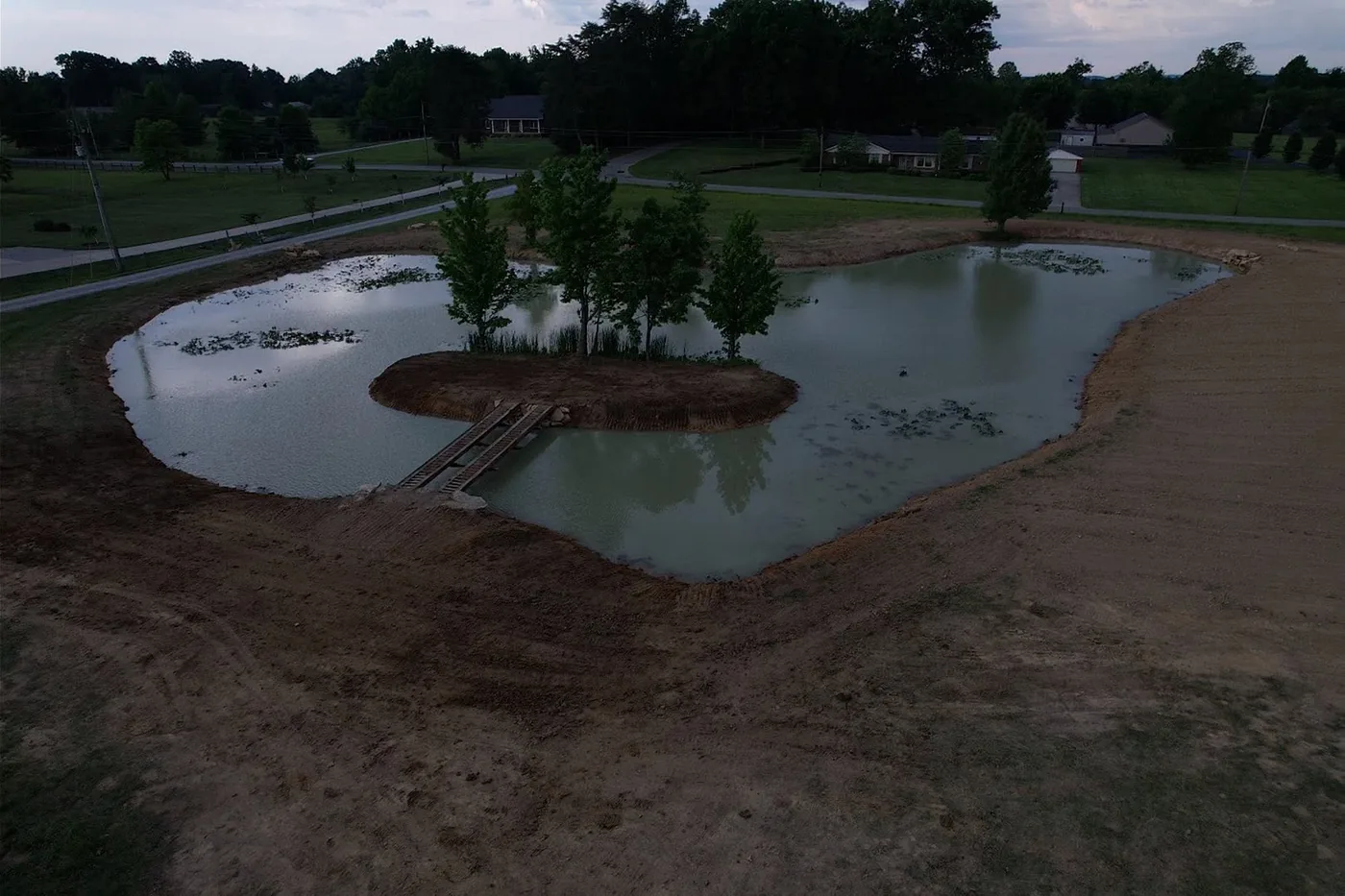
Cutting a new pond from scratch: siting, testing, shaping the basin, and building the dam in compacted lifts with suitable material. The dam is the part that is worth doing slowly. Pushed up in one pass it leaks, and there is no fast version of compaction that is also a good version. Depth, shape and the overflow all get worked out before the machine starts, because changing them afterward means moving the same dirt twice.

Expansion & Cleanout

Existing ponds that have silted in, grown over at the edges or were built smaller than the property needed. Cleanout removes accumulated silt and re-establishes depth. Expansion widens or deepens the basin, which usually means revisiting the dam as well, since a bigger pond puts more load on it. Both start with the same question as a new pond: what is the material actually like, and will it hold what you are asking it to hold.

Dam Repair

Ponds that will not hold level, seep through the face, or have a dam that was never built in lifts to begin with. Repair work means finding where it is actually losing water, which is often not where it looks wet, then rebuilding with suitable material properly compacted. This is another job where a look on site is the only honest way to price it, because two ponds losing water at the same rate can need very different work.

Our Work

Pond Digging, On the Ground.

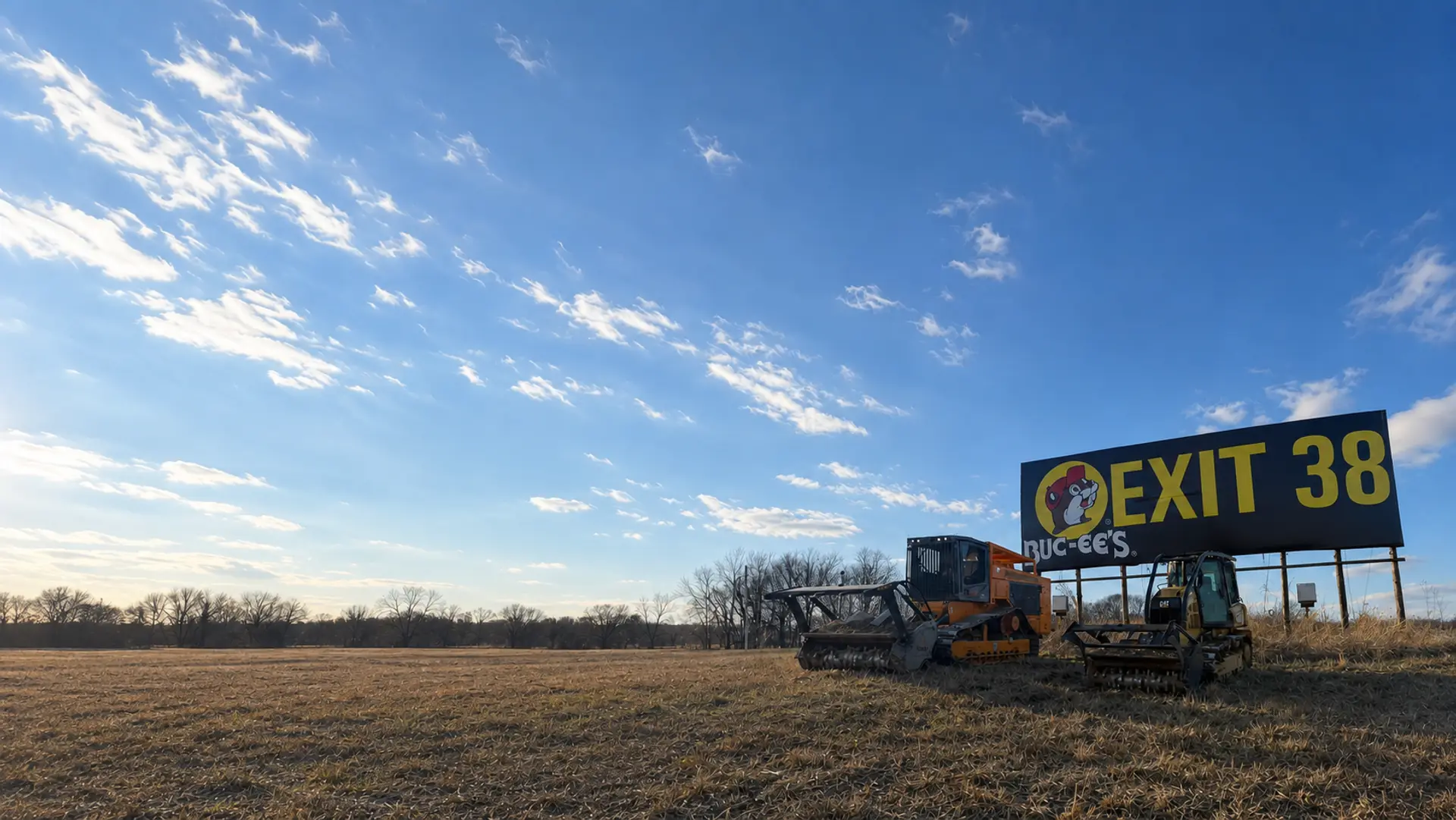
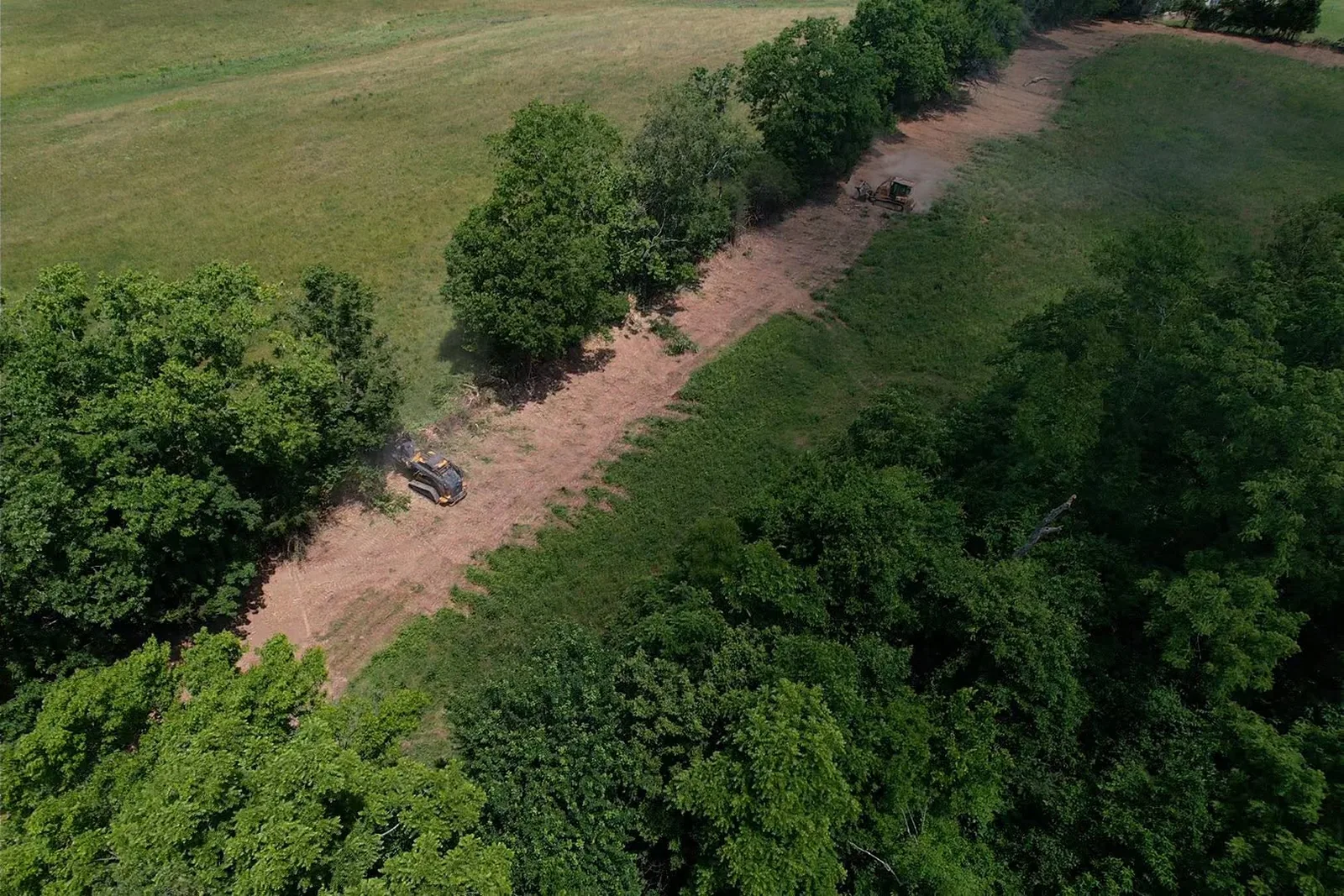
Leading Edge crew and equipment on a job site
What It Costs

What Moves the Number.

Ponds are priced after soil testing, not before. What moves the number:

  • What the soil is

    Whether the material on site will hold water, and whether suitable material has to be brought in.

  • Size and depth

    Volume of material moved, and how much of it can be used in the dam.

  • Site and access

    Where the pond can go, and what equipment has to cross to get there.

  • Dam work

    A new dam, a rebuild and a repair are three different jobs.

Why Us

Why People Call Us for Pond Digging.

Test holes before promises

Soil samples first, so the plan matches the ground instead of the drawing.

Compacted lifts

The dam goes up in layers with suitable material, because that is the only version that holds.

A straight no

If the ground is wrong for it, we say so rather than take the work.

Straight Answers

Pond Digging
Questions.

Can't find yours? Call and ask. You'll get a straight answer, not a sales pitch.

Call 502-296-2607
Will my ground hold a pond?

That is what the soil samples and test holes are for, and it is the first thing we do. If the material will not hold water, you will hear that before you have paid for a hole.

How long does a pond take?

It depends on size, material and how much of the dam can be built from what is already on site. You will get a real timeline after the testing, not before.

Can you fix a pond that will not hold water?

Often, yes. It starts with finding where it is actually losing water, which is regularly not where the ground looks wet.

Why does the dam take so long?

It goes up in compacted lifts with suitable material. A dam pushed up in one pass leaks, and there is no quick version of compaction worth paying for.

Can you make an existing pond bigger?

Yes, though a bigger pond puts more load on the dam, so expansion usually means looking at the dam as well rather than just the basin.

Available 24/7 for Storms

Tree on the House?
We're Rolling in Hours.

24/7 emergency response for the Louisville metro. The same crew that lived out of a camper for a month clearing Bowling Green after the tornado.

Call Now

Are you on the schedule yet?

Get Your Free Estimate

Or call us at 502-296-2607